
WHAT ITALY TAUGHT US
A journey with Chef Raine & Sommelier Mark
06 | WHAT MARK DRANK 🇮🇹
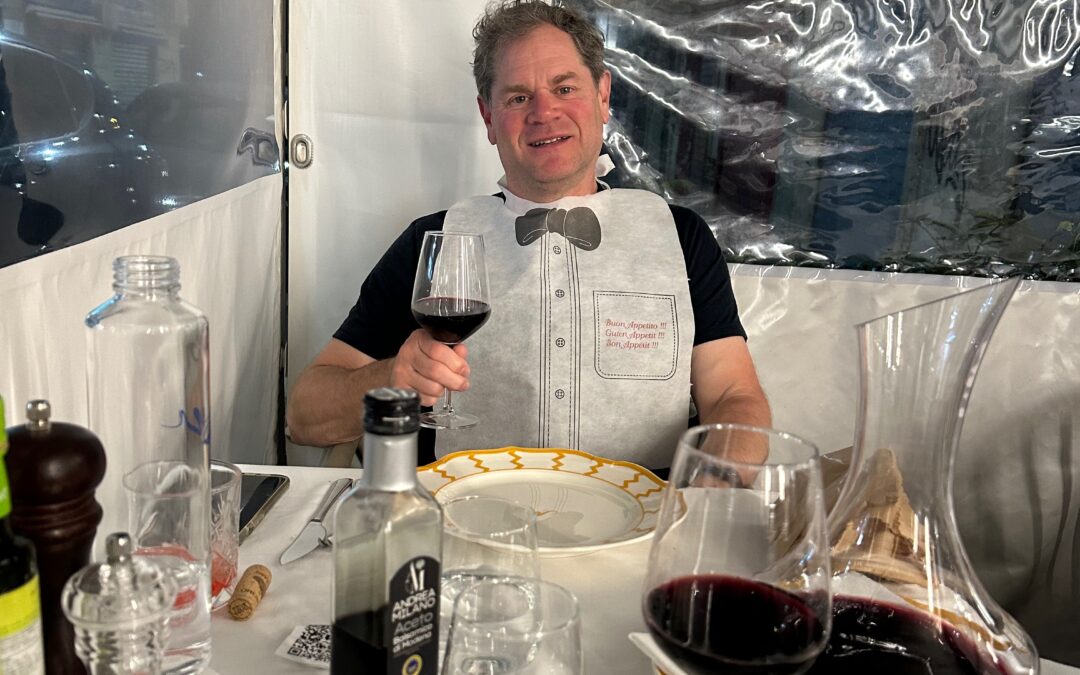
So what does a sommelier drink in Italy?
For Mark Sindicich, the answer wasn’t quite what you might expect.
There was wine, of course.
But there was also Campari Soda. Lots of water. Very little beer. And a whole new perspective on how Italians drink wine.
First things first: Campari Soda
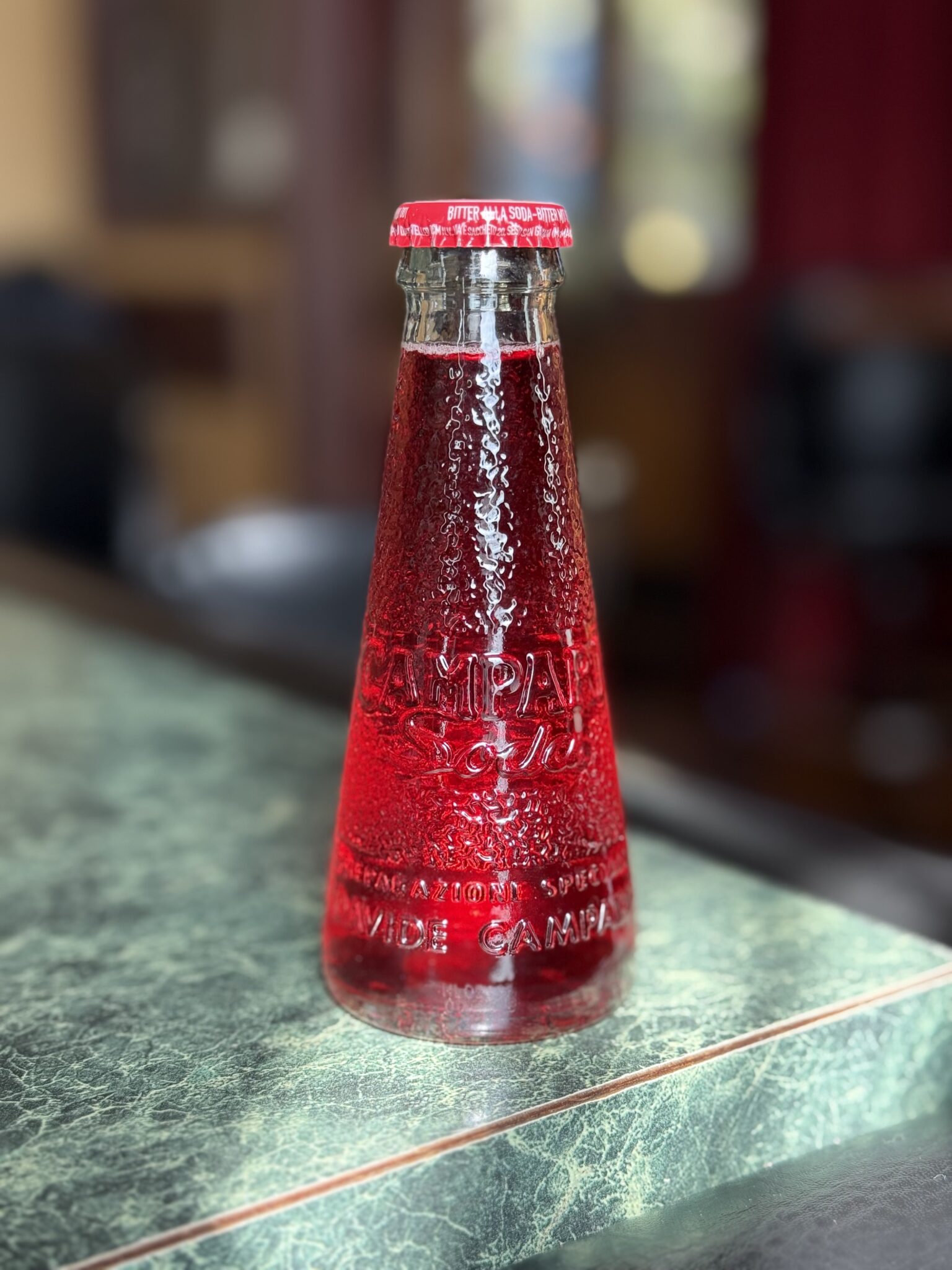 One of Mark’s most memorable discoveries came in tiny bottles.
Campari Soda.
“A lot of people have never seen them before,” Mark says.
The little bottles became something of a recurring theme during the trip, and Mark drank plenty of them.
Beer, on the other hand, wasn’t nearly as prominent.
When Italians were drinking beer, Mark noticed that a light European lager was the typical choice with pizza.
But with most other meals?
Local wine.
Wine from down the road
One of the things that struck Mark most was how local Italian wine can be.
During the trip, he photographed bottles from local producers for sale at a local market for about €2 a bottle.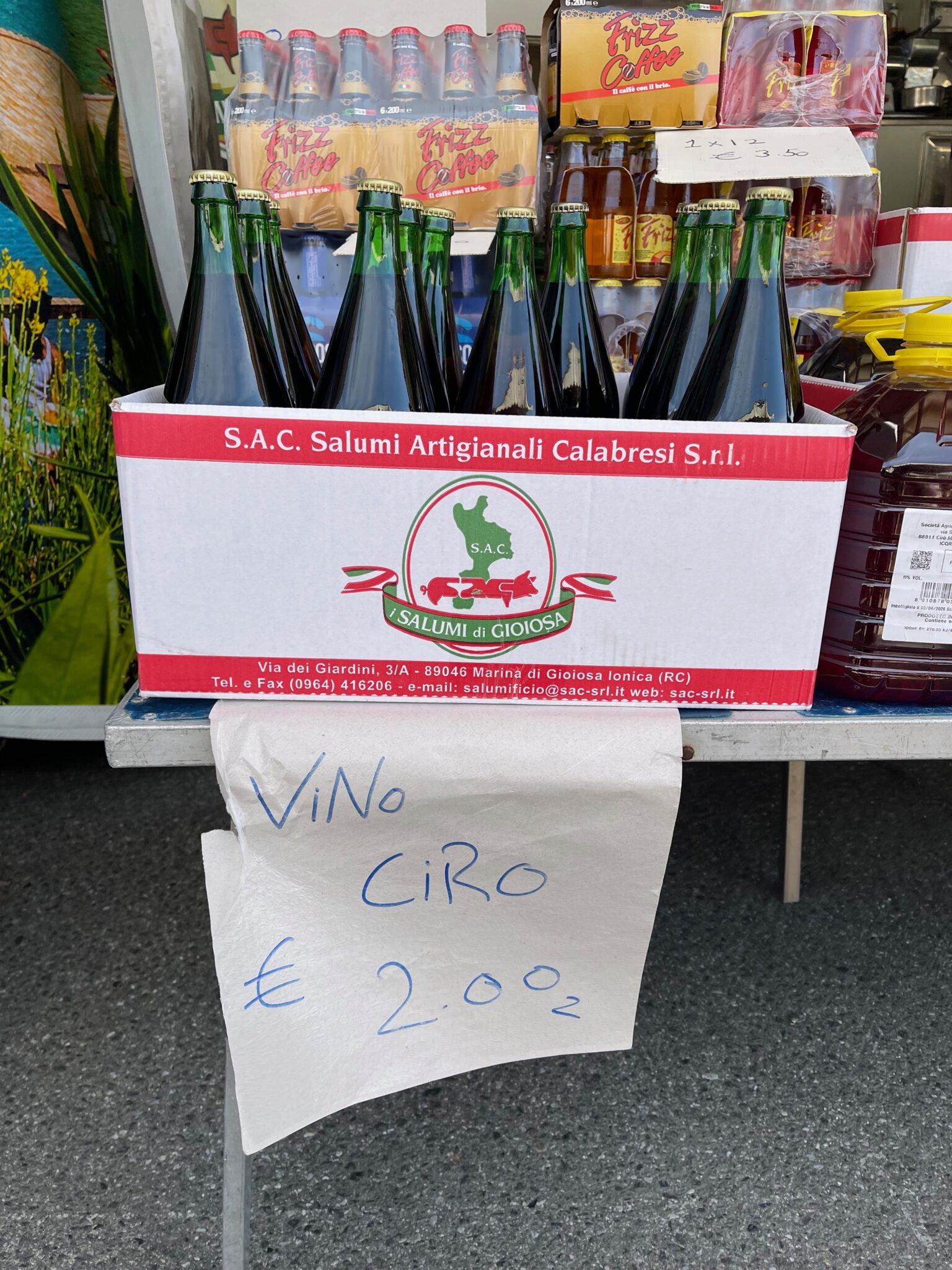
No elaborate labels.
No fancy packaging.
Some were simply bottle-capped.
“That’s how you buy wine there. In the local market.”
It was a very different experience from the way wine is often presented and purchased in the United States.
These weren’t necessarily wines being chosen because they had prestigious names or were destined for a tasting menu.
They were local wines for local people and local food.
The wine belongs with the food
For Mark, that gets to the heart of Italian wine culture.
“It’s about the Italian grape with the food from the same local area, and how that pairs.”
The idea isn’t necessarily to find the most impressive wine in the room.
It’s to drink the wine that belongs with the food.
That’s particularly interesting in a country where the food itself can change dramatically from one region to another.
The wine changes with it.
Then came Sicily
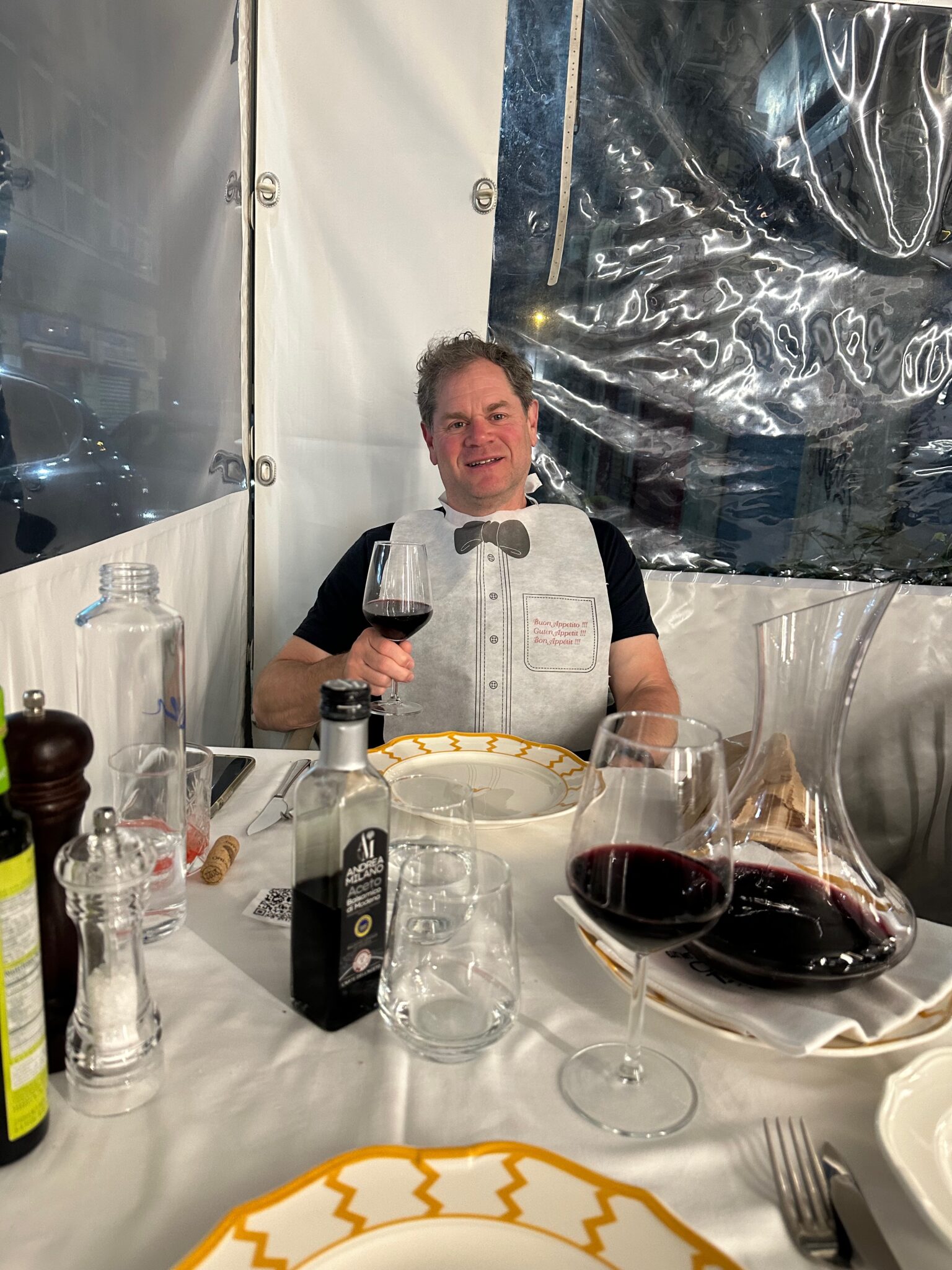
Sicily offered Mark a very different experience.
The wines he encountered there were distinctive and, in many cases, much more aggressive than what American wine drinkers might typically expect.
They could be relatively light in color while being massively tannic, intensely mineral and surprisingly powerful.
Mark compared some of them to red Burgundy on steroids.
They weren’t necessarily wines designed to appeal to the American palate.
But with Sicilian food?
They made sense.
The wine had the character to stand up to the food of the region.
And once again, the connection between place, food and wine came through.
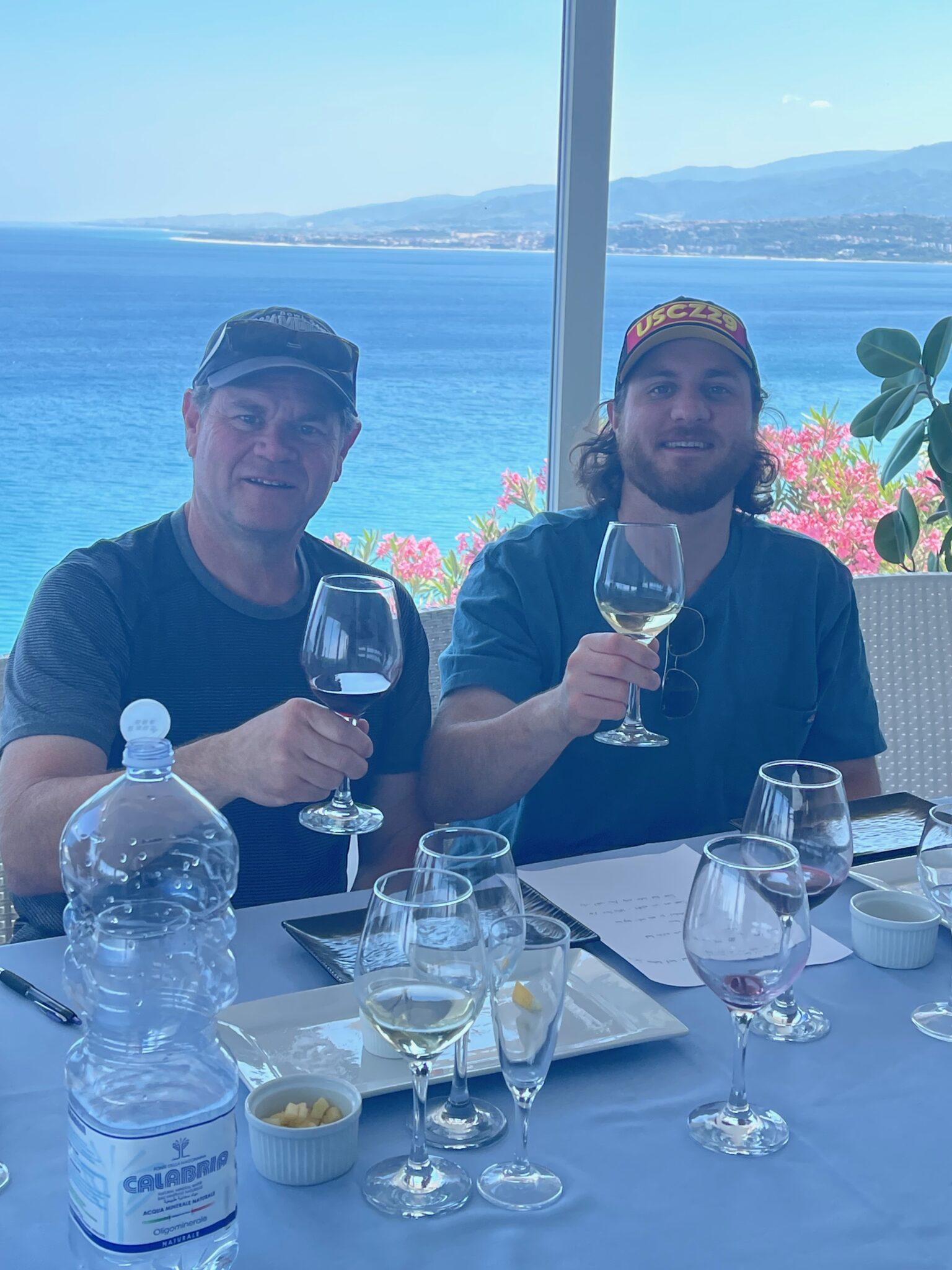
Mark also noticed how little American wine he encountered during the trip.
That wasn’t necessarily surprising. Italy has an enormous number of local producers, and Italians have plenty of wine of their own to drink.
And there was another factor Mark couldn’t ignore.
Wine tastes different when you’re sharing it around a table.
The people you’re with. The food you’re eating. The place you’re sitting. The experience you’re having together.
All of it becomes part of the experience.
Maybe that’s one of the things Italy taught Mark that can’t be captured on a wine list.
Wine isn’t just what’s in the glass.
It’s also where it comes from, what you’re eating with it and who you’re sharing it with.
And sometimes, apparently, it’s a tiny bottle of Campari Soda.